Notable space missions
NASA Artemis II: Crewed Moon Flyby
April 01, 2026 ⬌ April 11, 2026

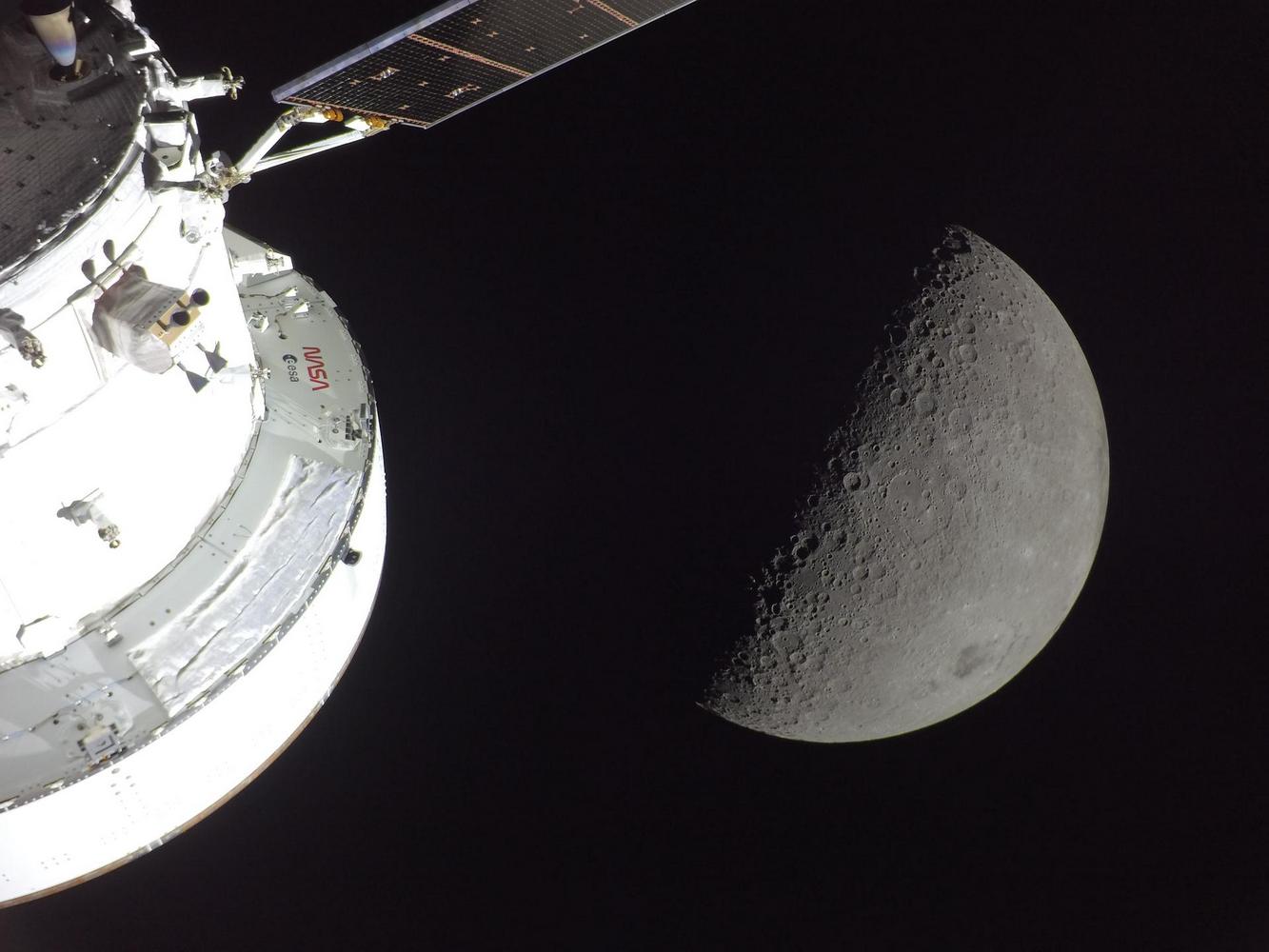
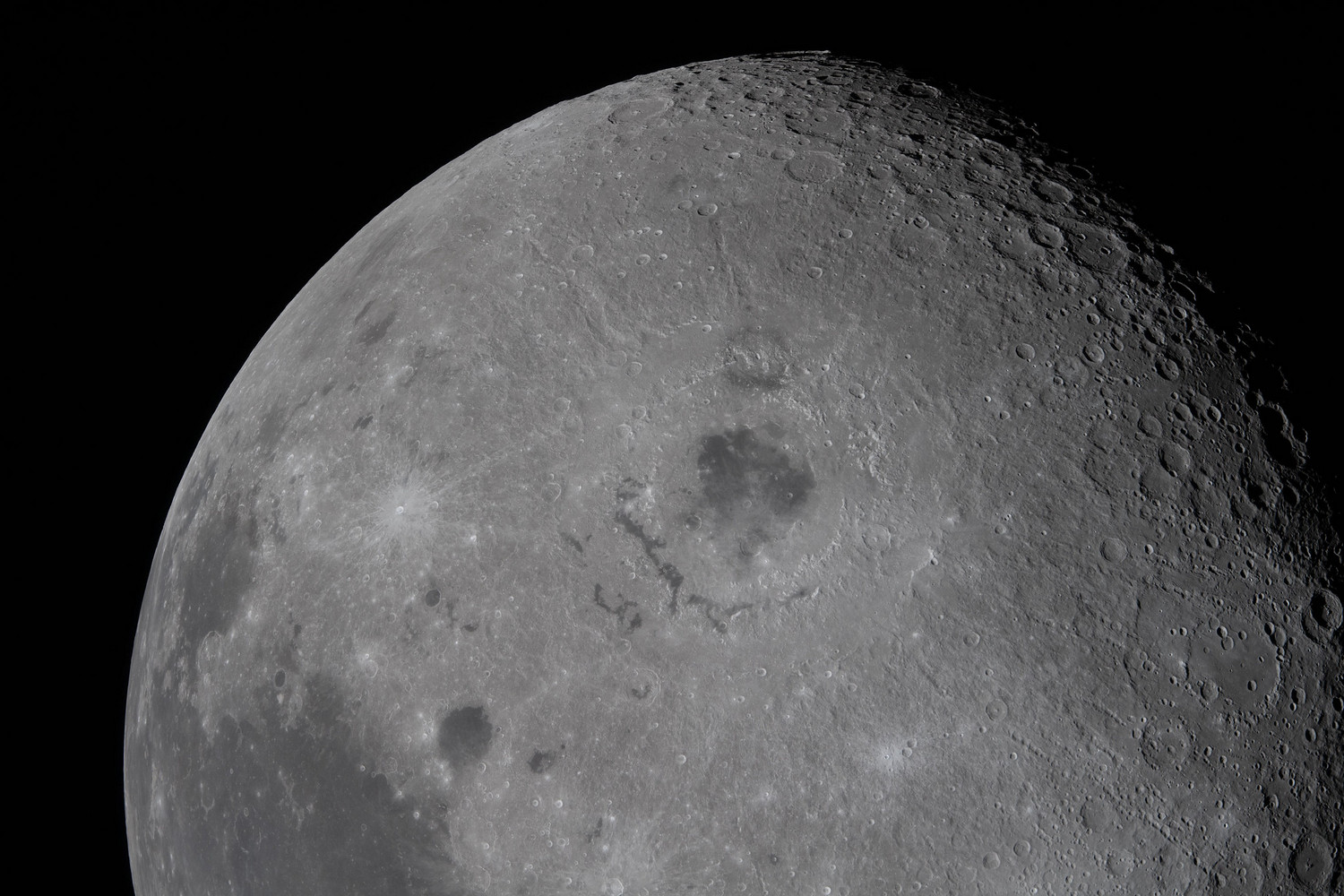
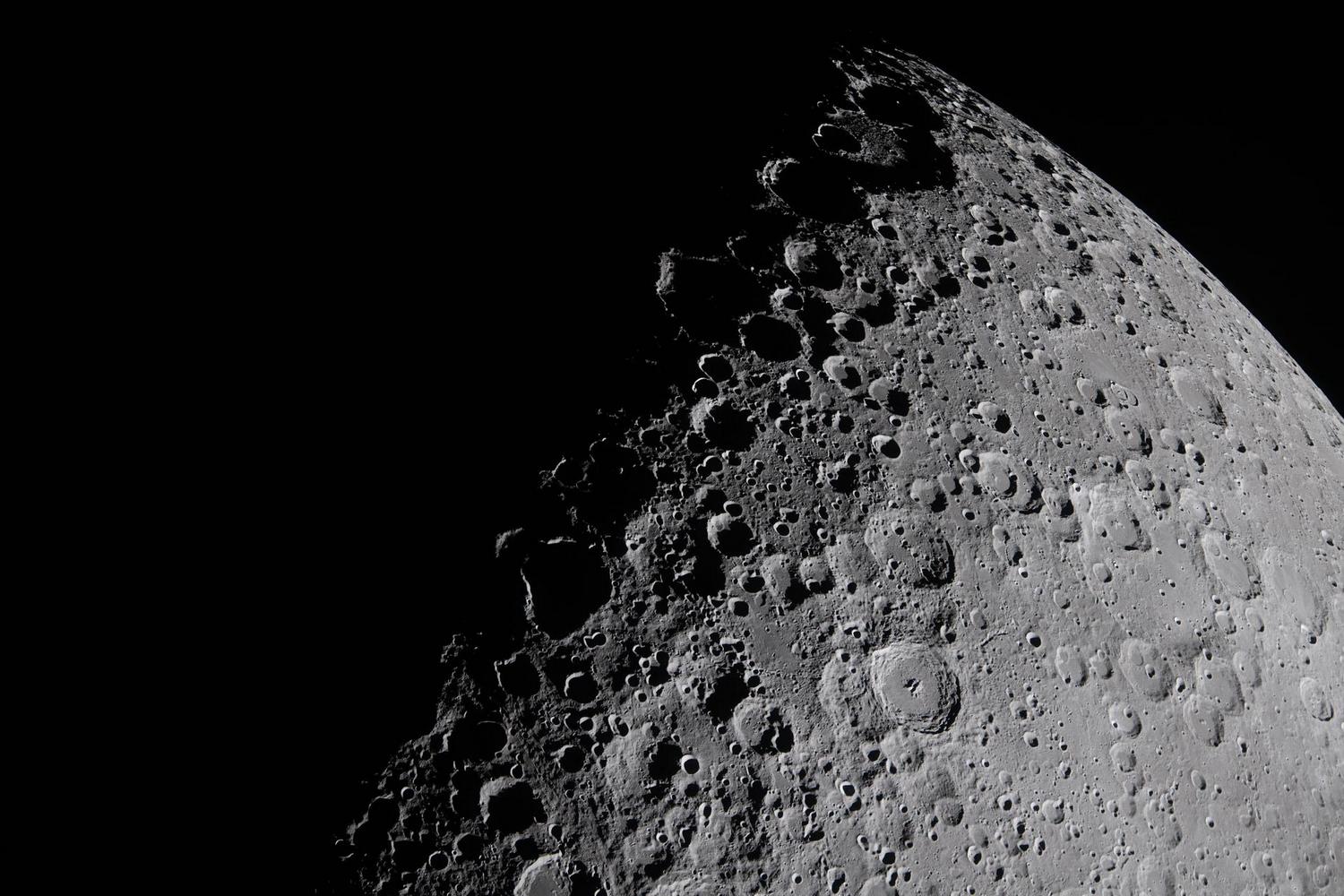
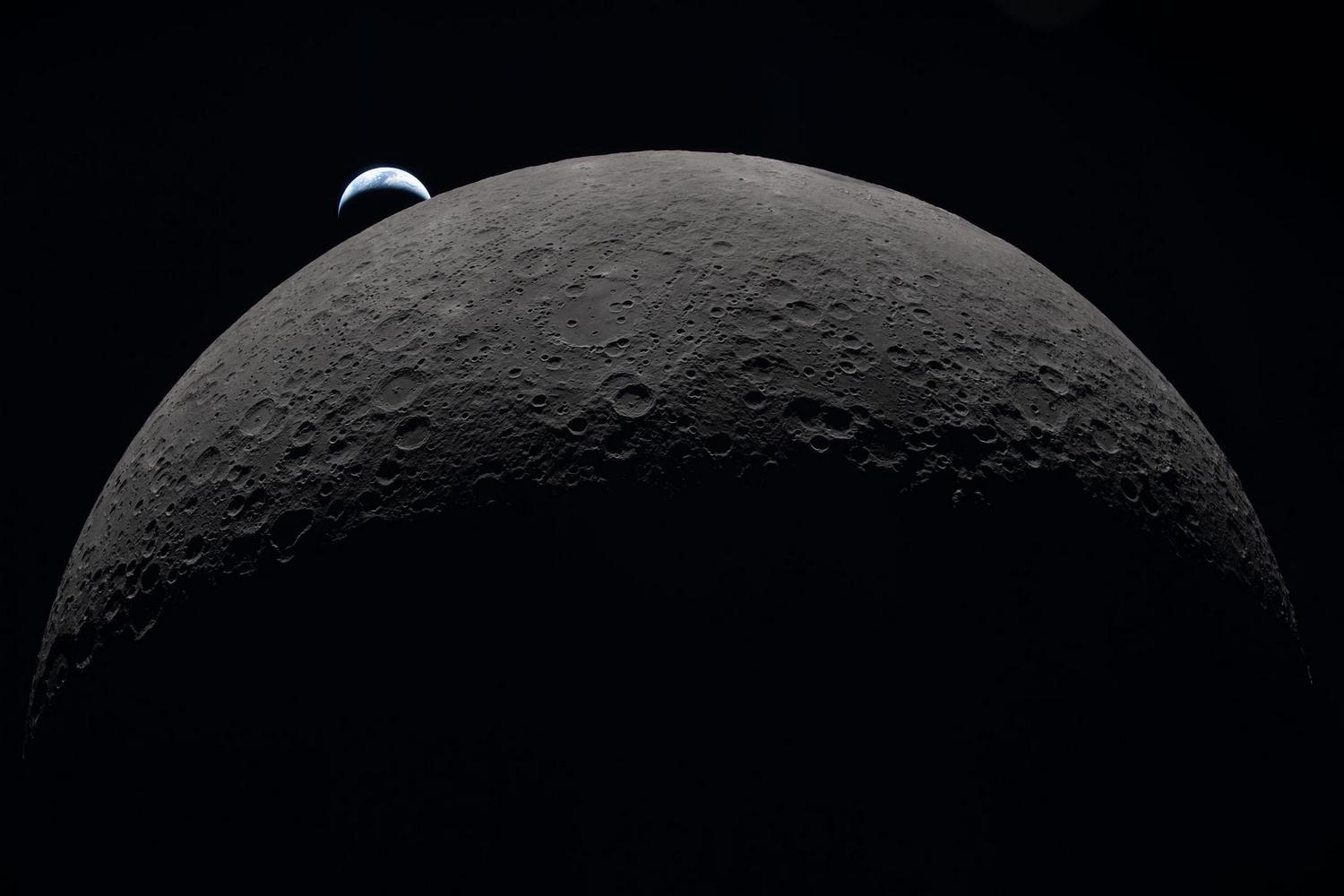
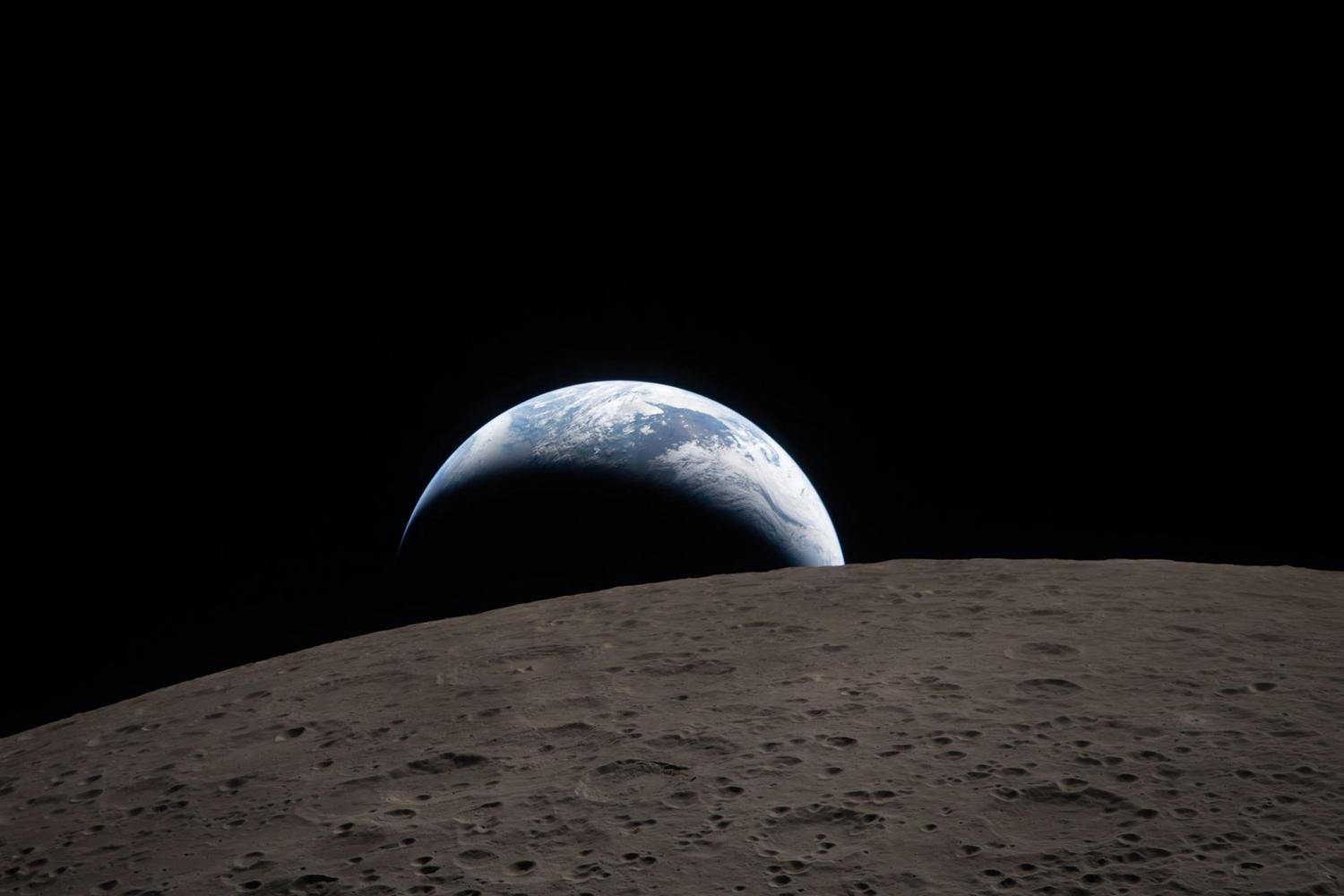
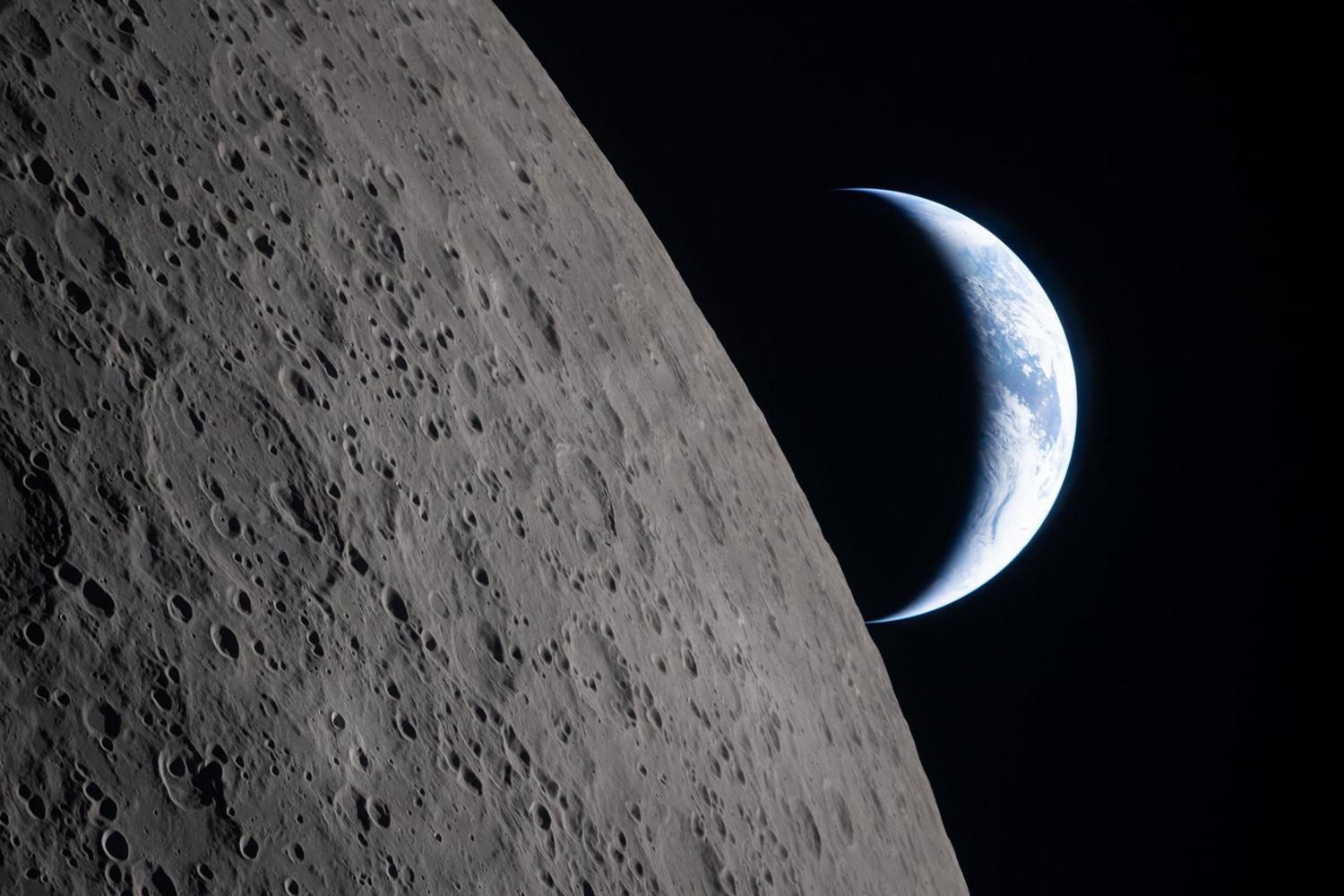
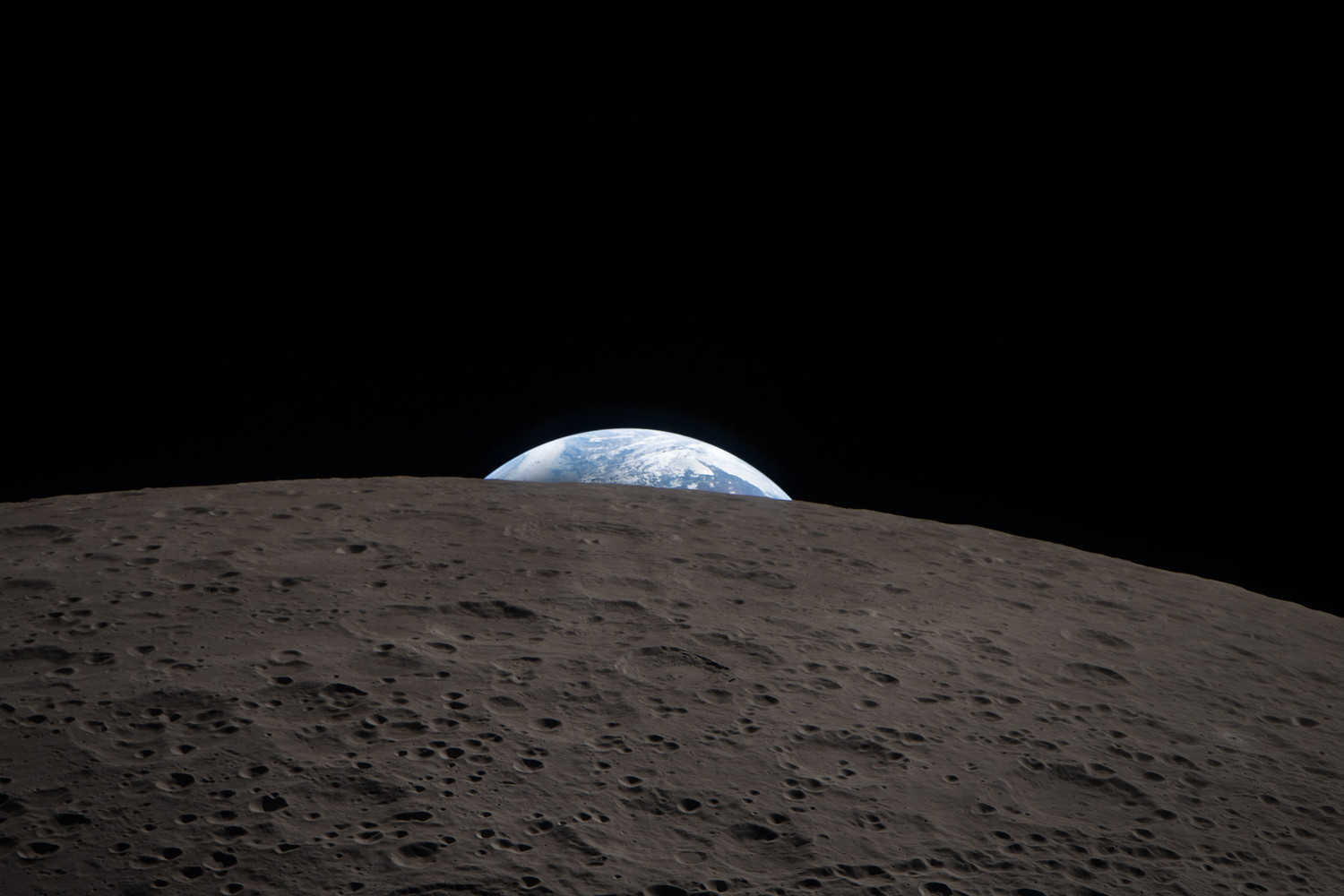
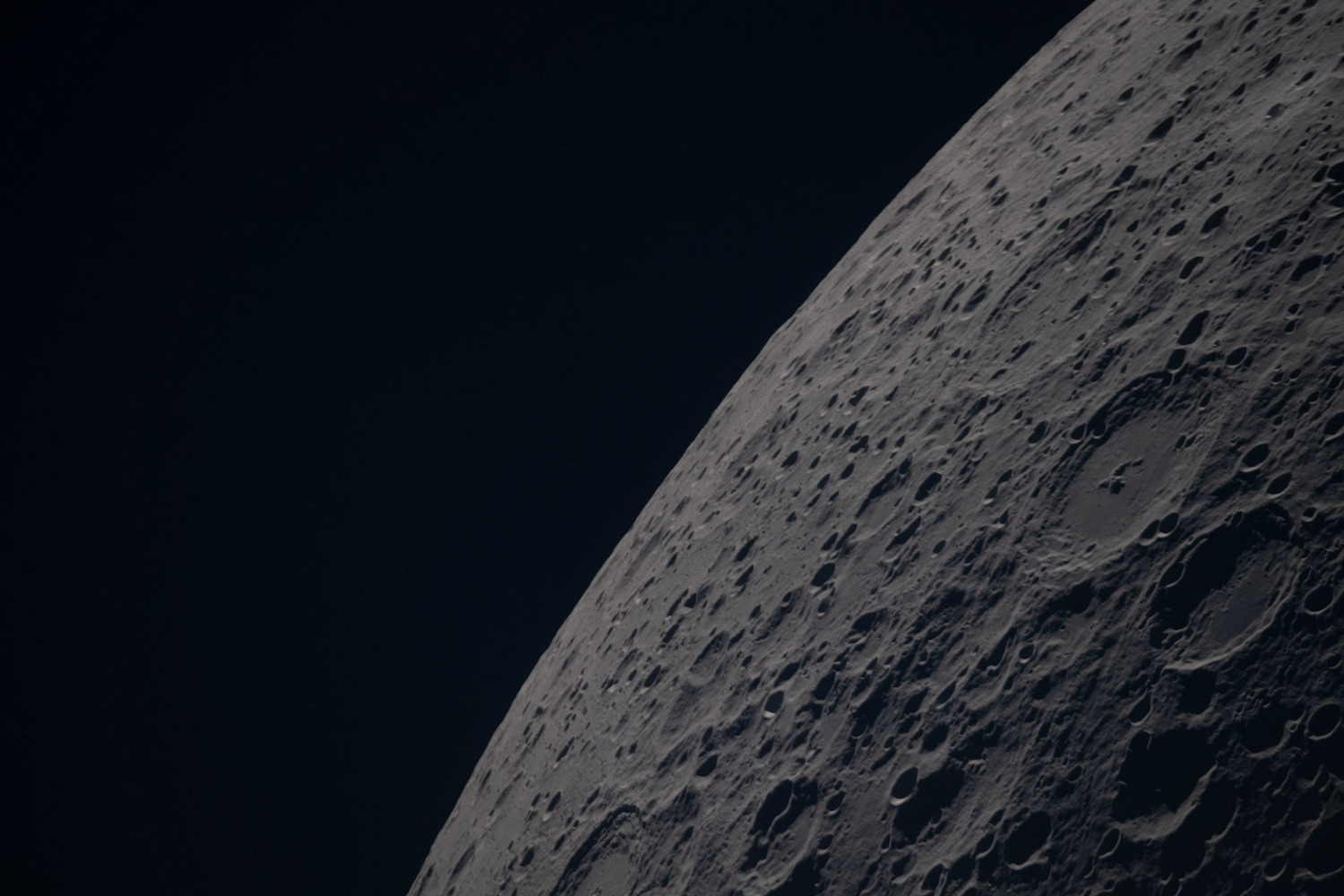
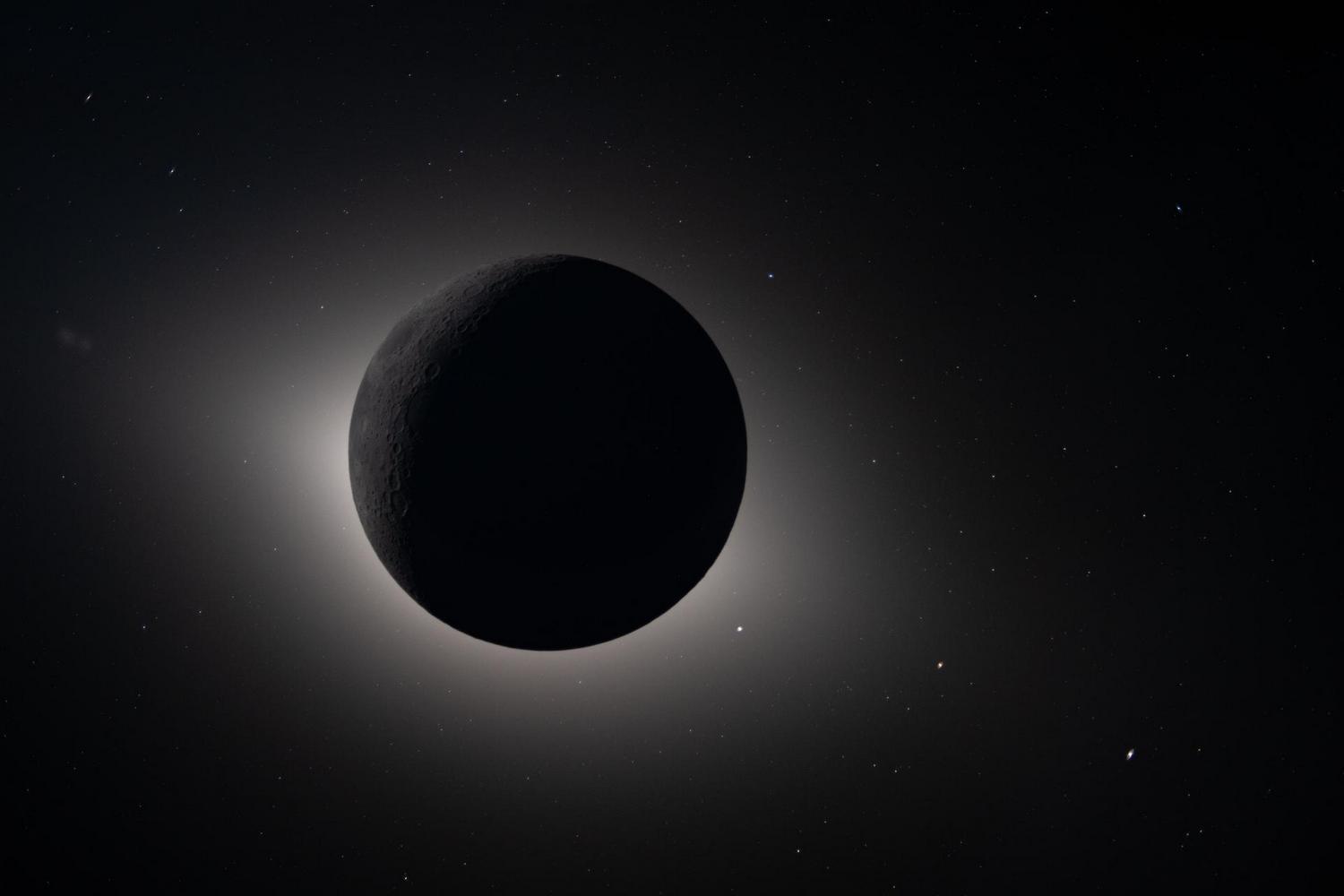
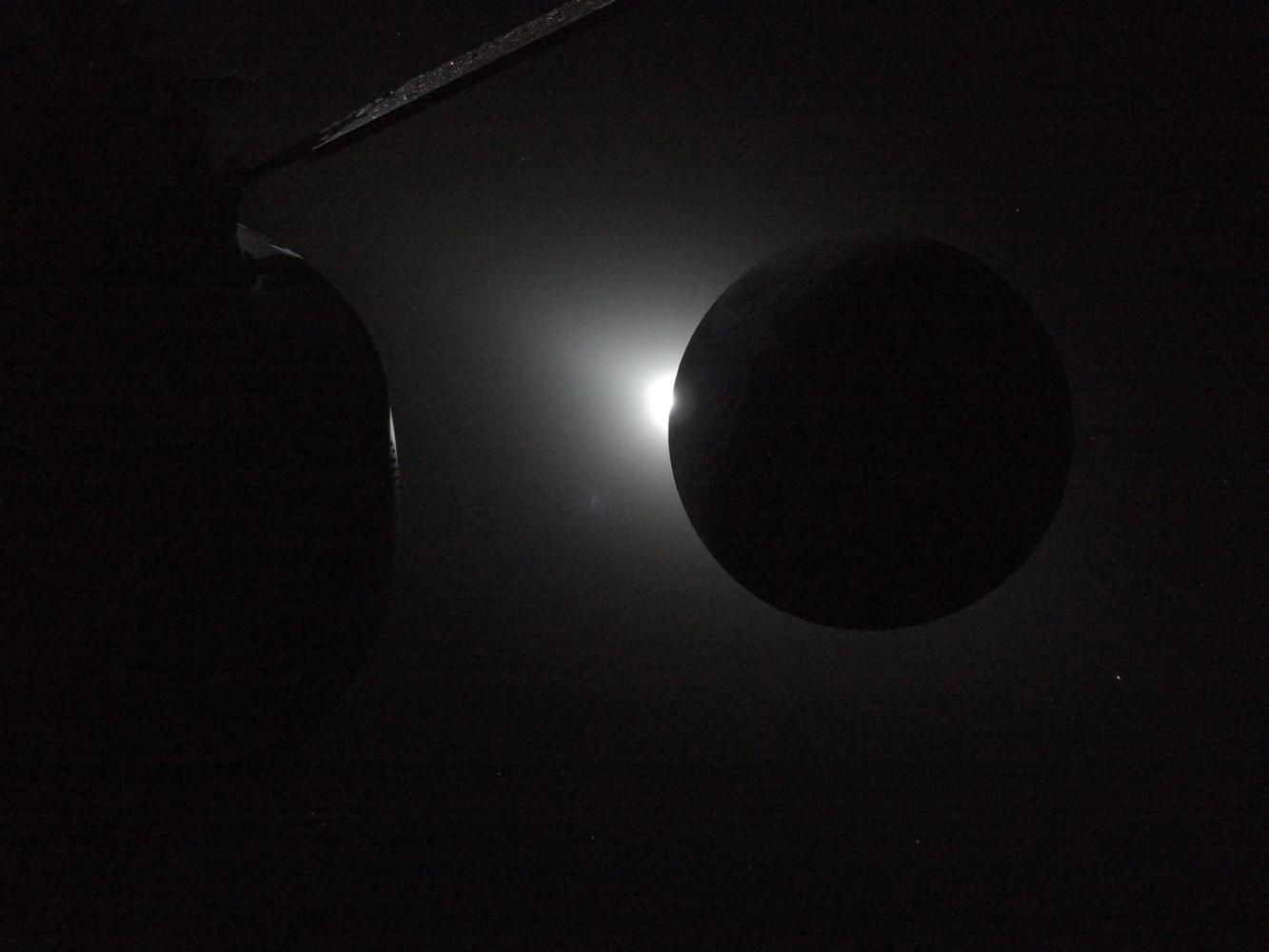
Artemis II launched on a nearly 10-day voyage around the Moon, marking the first crewed flight of NASA's Orion spacecraft. The mission carried NASA astronauts Reid Wiseman, Victor Glover, and Christina Koch, along with Canadian Space Agency astronaut Jeremy Hansen, on a free-return trajectory around the Moon and back to Earth. It was the second flight of the Space Launch System (SLS), and the first crewed mission beyond low Earth orbit since Apollo 17 in 1972.
The mission set several human spaceflight records: Glover became the first person of color, Koch the first woman, and Hansen the first non-U.S. citizen to travel beyond low Earth orbit. The trajectory itself was ambitious — the mission was set to travel more than 400,000 km from Earth before making a U-turn behind the Moon and heading home without stopping or entering lunar orbit.
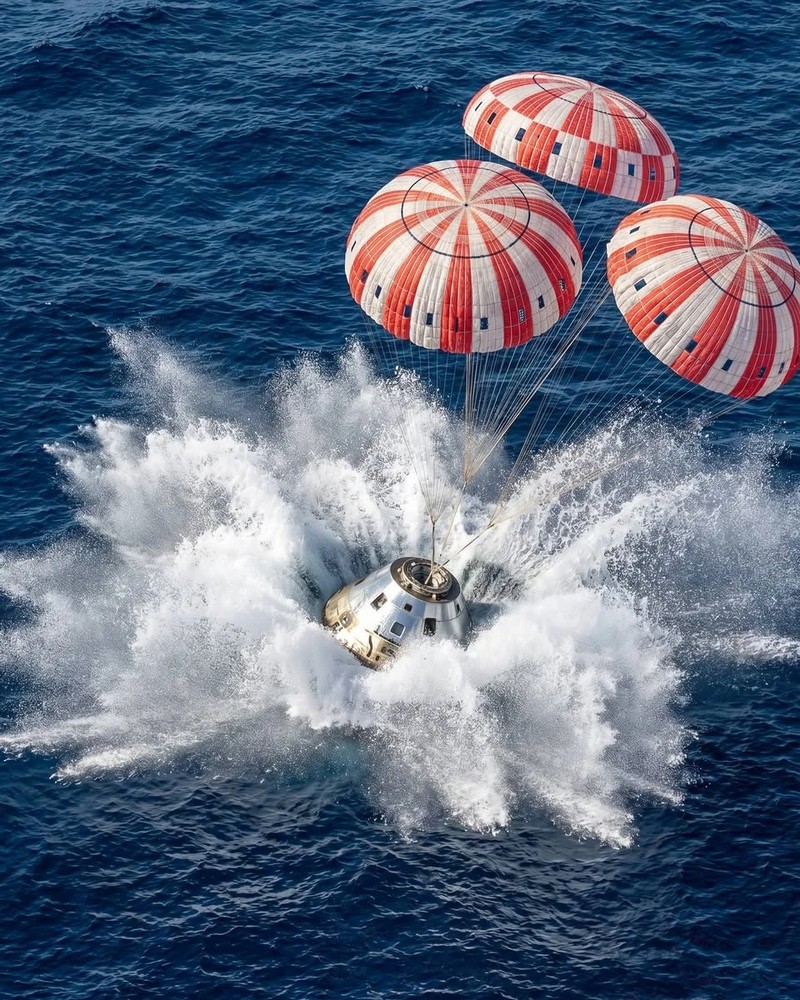
The crew successfully completed a parachute-assisted splashdown in the Pacific Ocean off the coast of San Diego April 11, 2026. Following splashdown, NASA, U.S. Navy, and U.S. Air Force teams worked to bring the crew members and Orion spacecraft aboard USS John P. Murtha, where the astronauts underwent post-mission medical evaluations before returning to shore.
Mission Timeline
Gerneral information: Official Site • Wikipedia
Videos: NASA • CNN • CBC News • Melodysheep
Event news: Space.com • Britannica • ARS Technica • The Science Times

SpaceX: Starship Fifth Flight Test
October 13, 2024

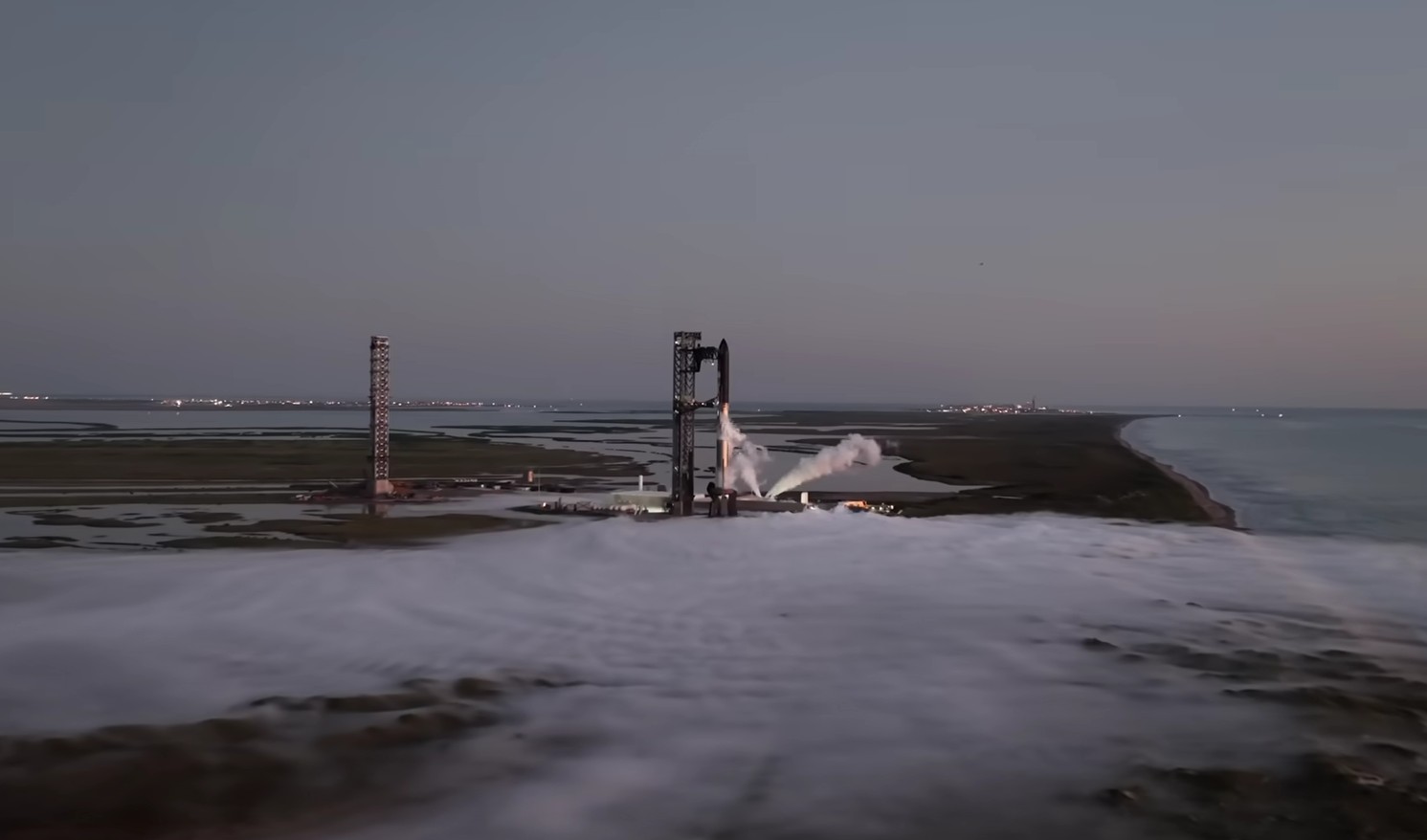
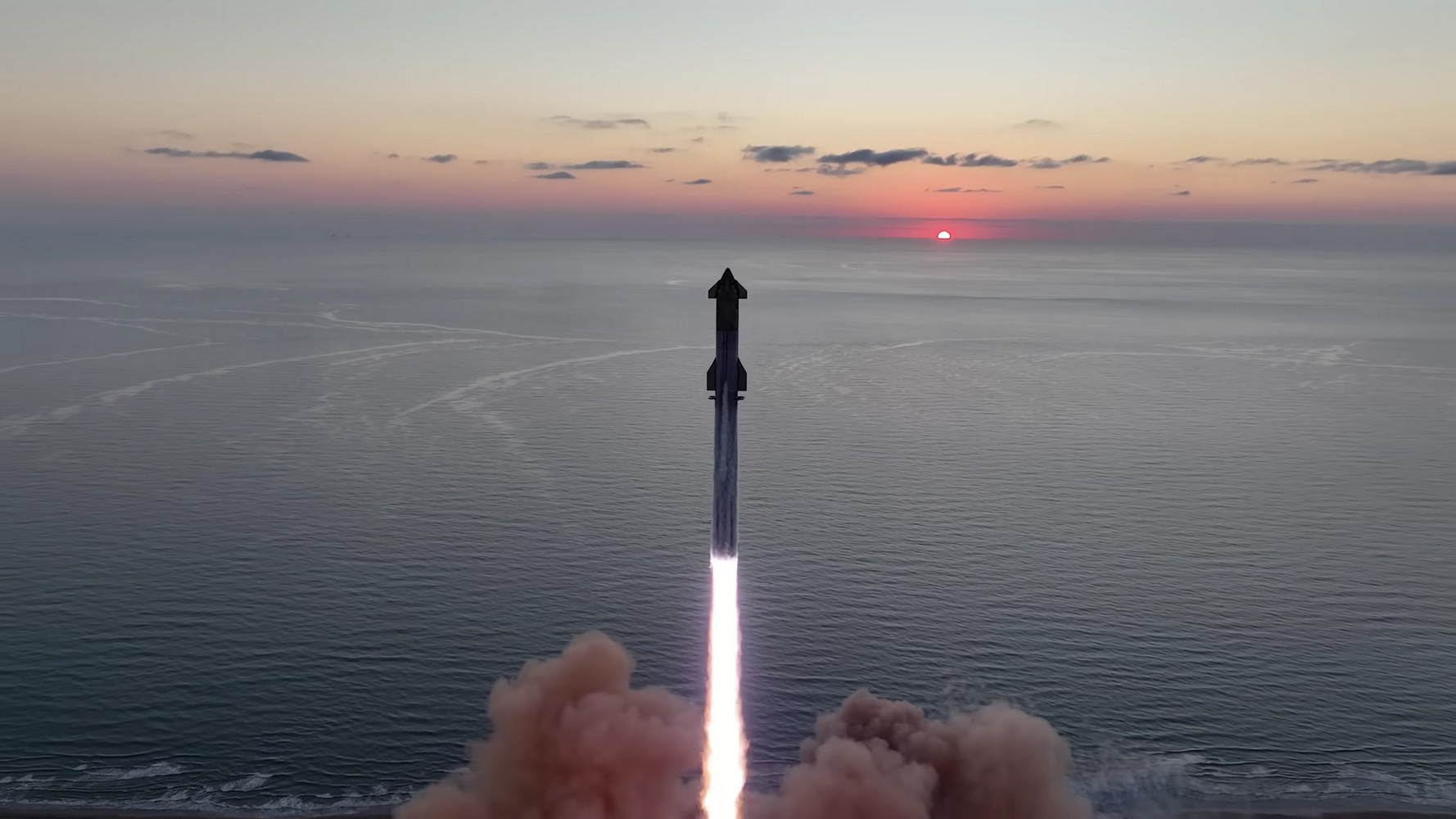
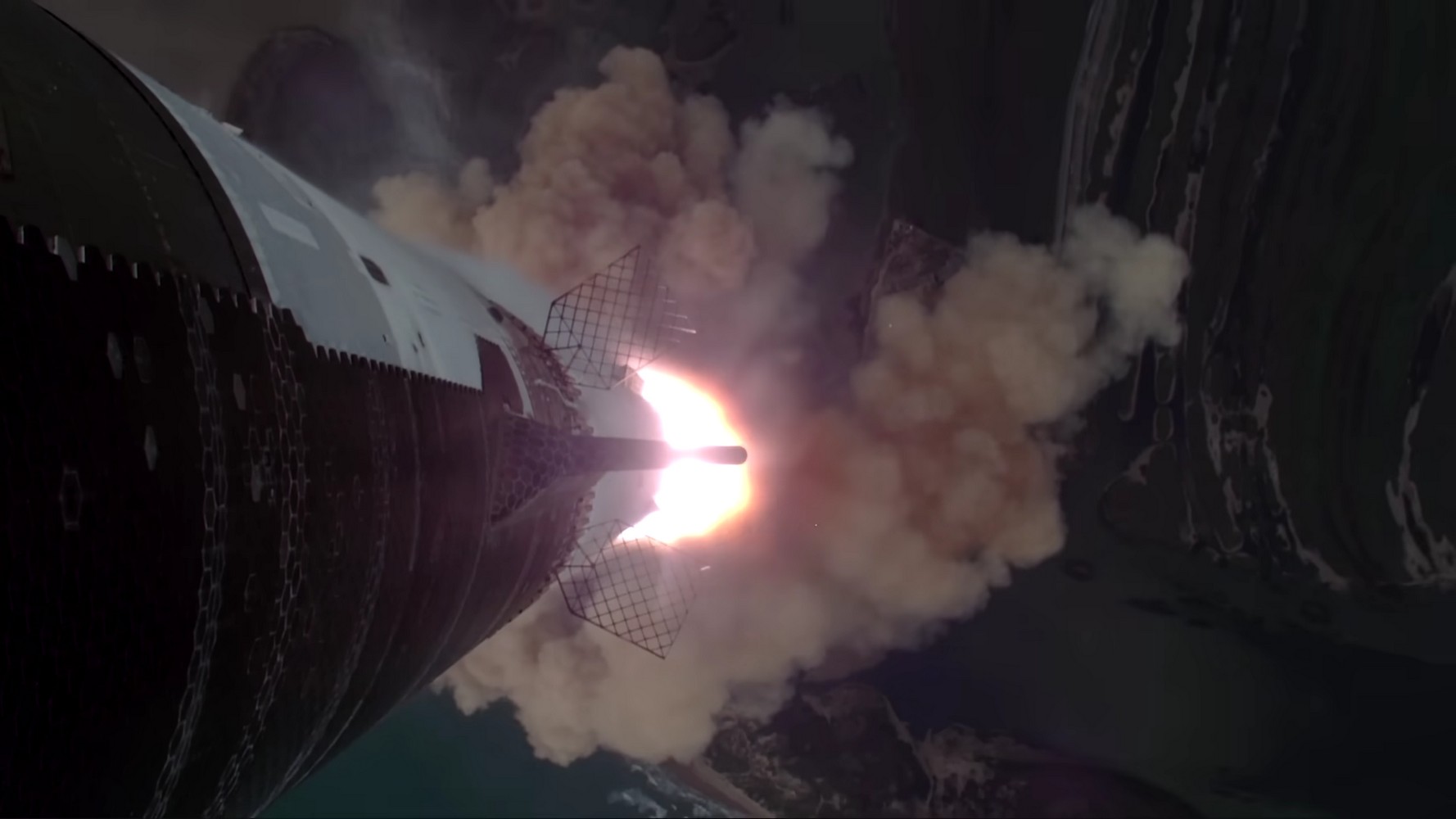
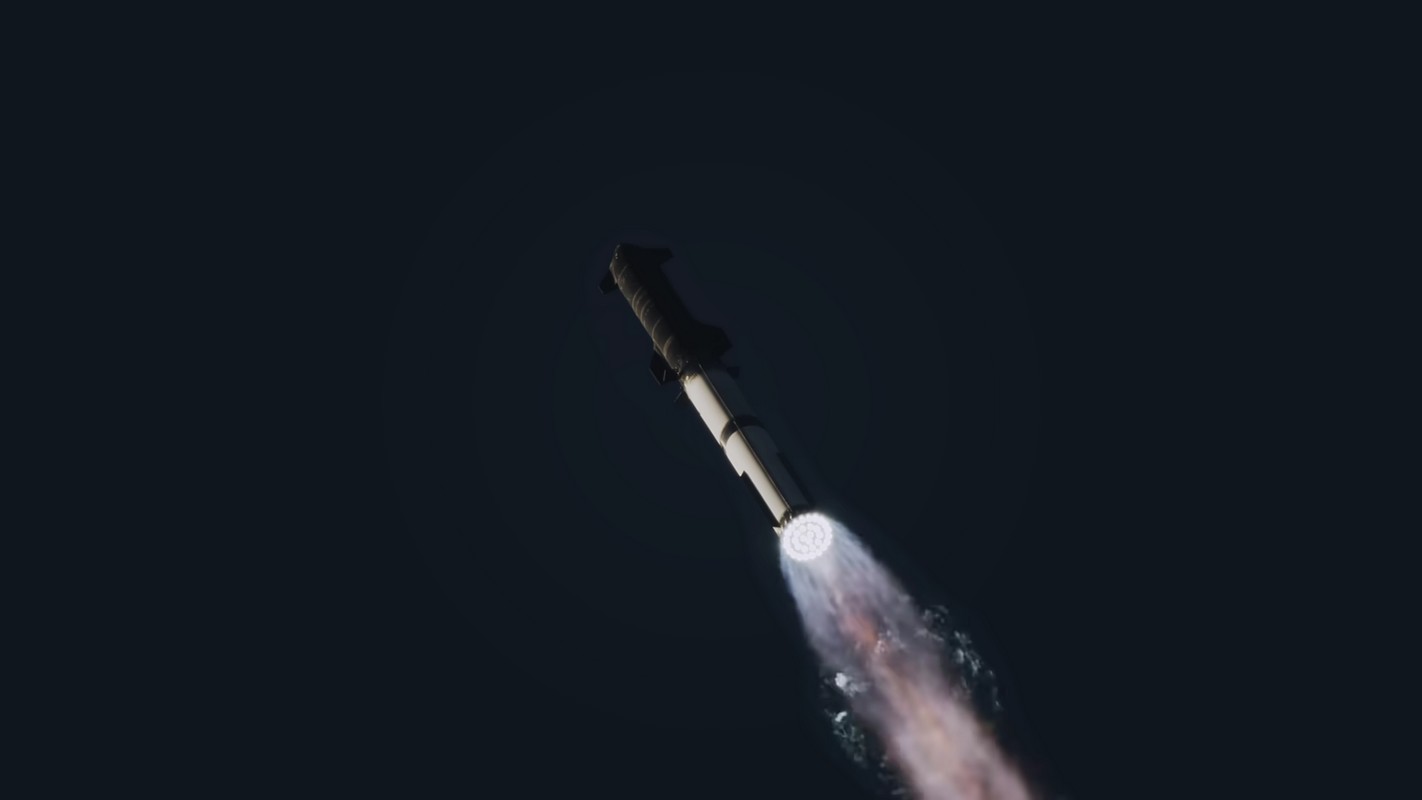
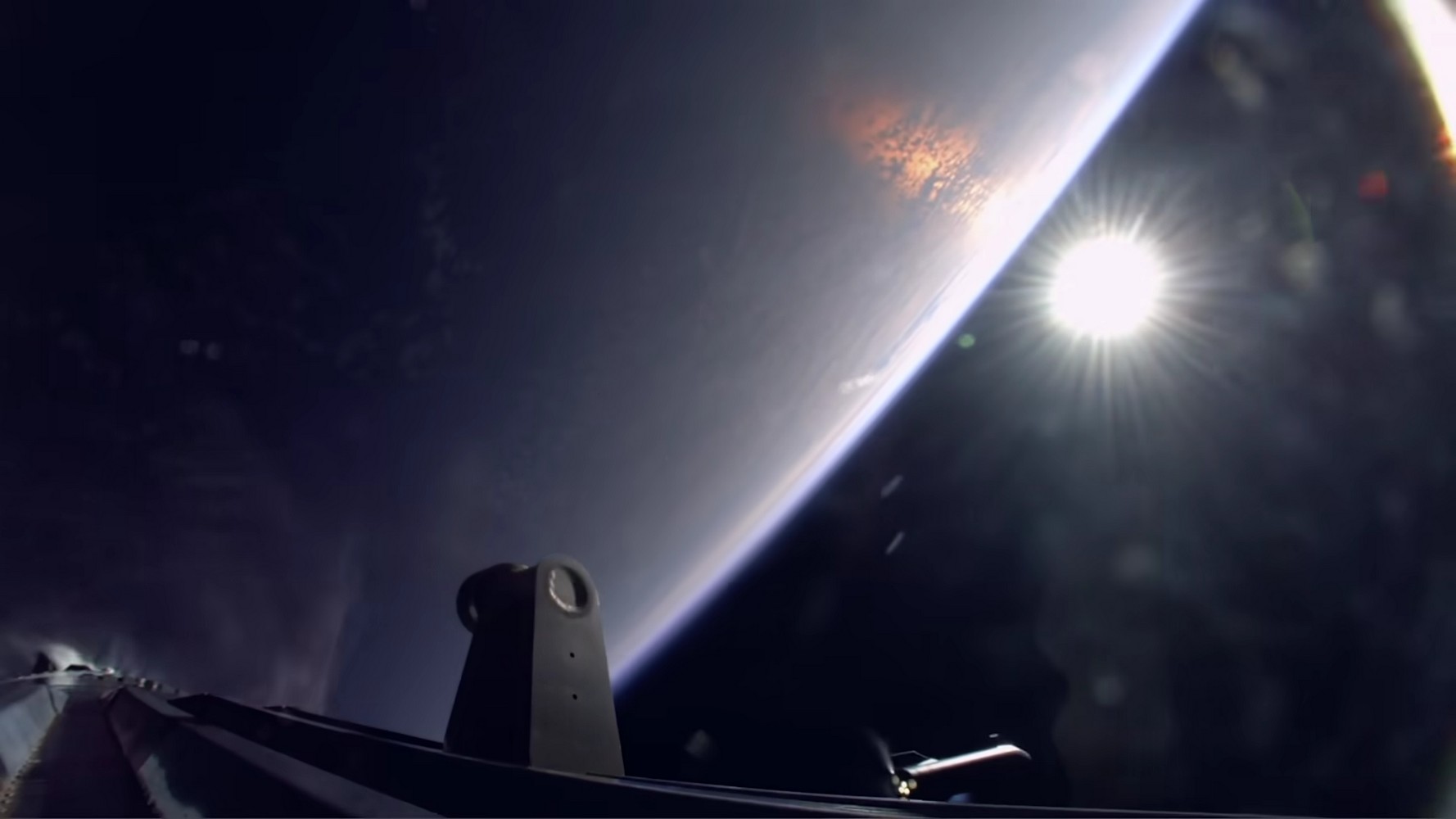
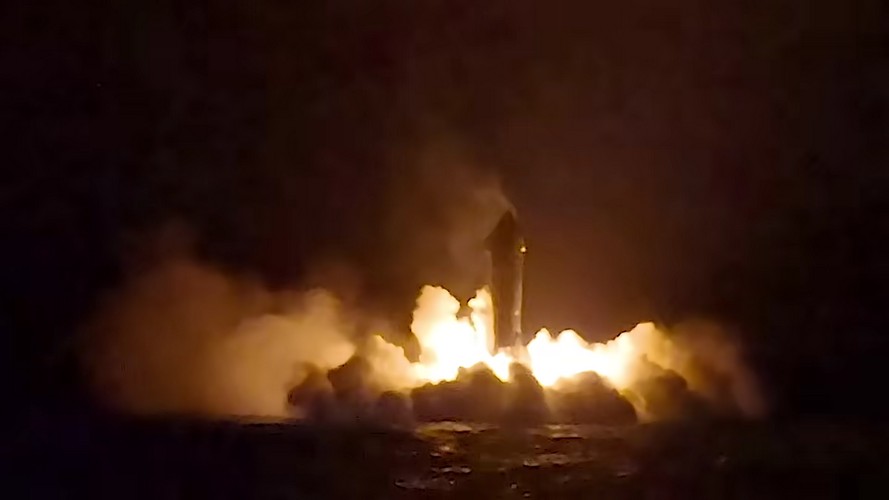
SpaceX launched the fifth test flight of its Starship rocket on October 13, 2024. The primary objectives were to attempt the first-ever return to the launch site and catch of the Super Heavy booster, along with another reentry and landing burn for the Starship upper stage, targeting a splashdown in the Indian Ocean. The mission was described as SpaceX's most ambitious test yet, building on lessons learned from all four previous flights.
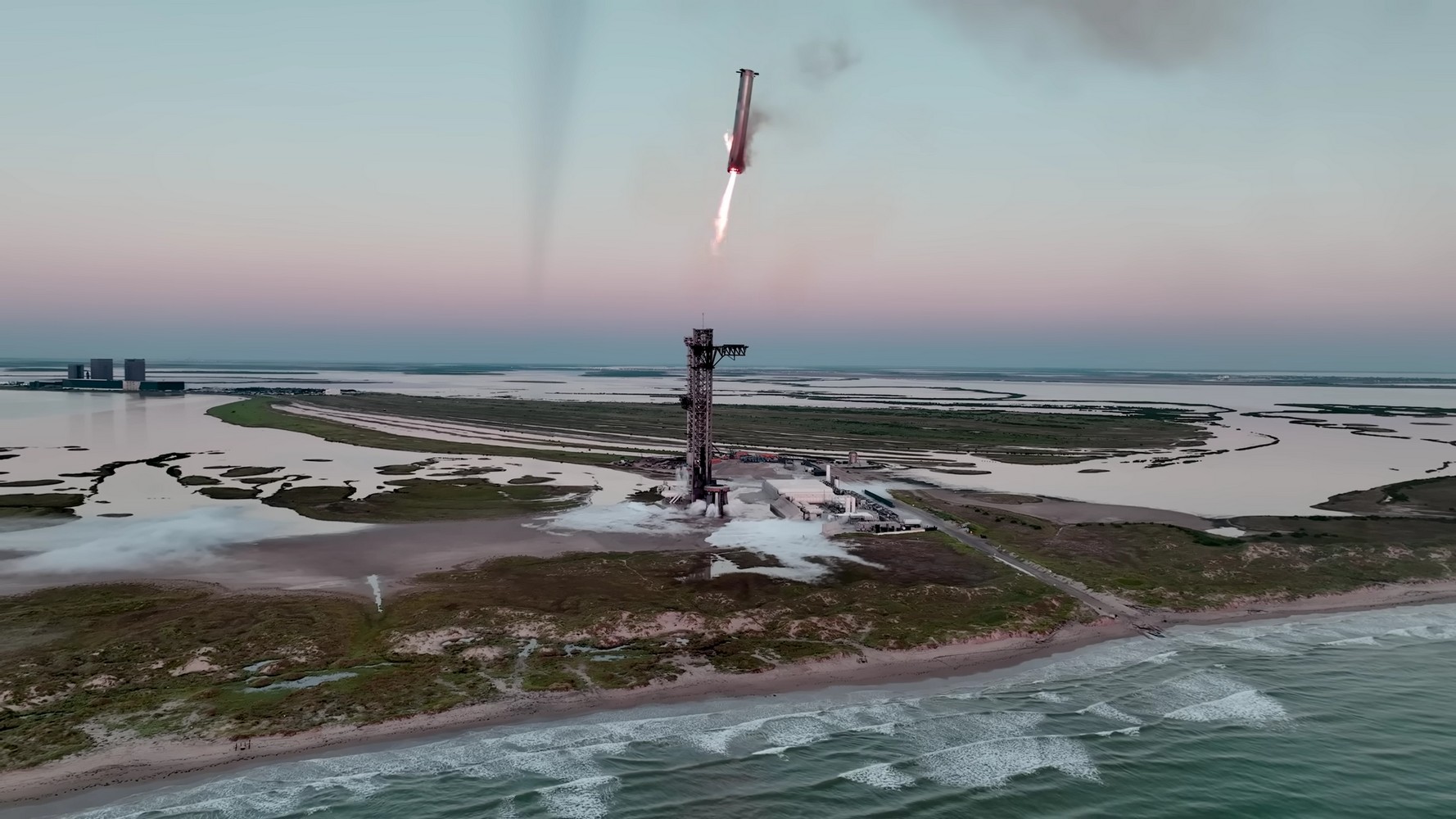
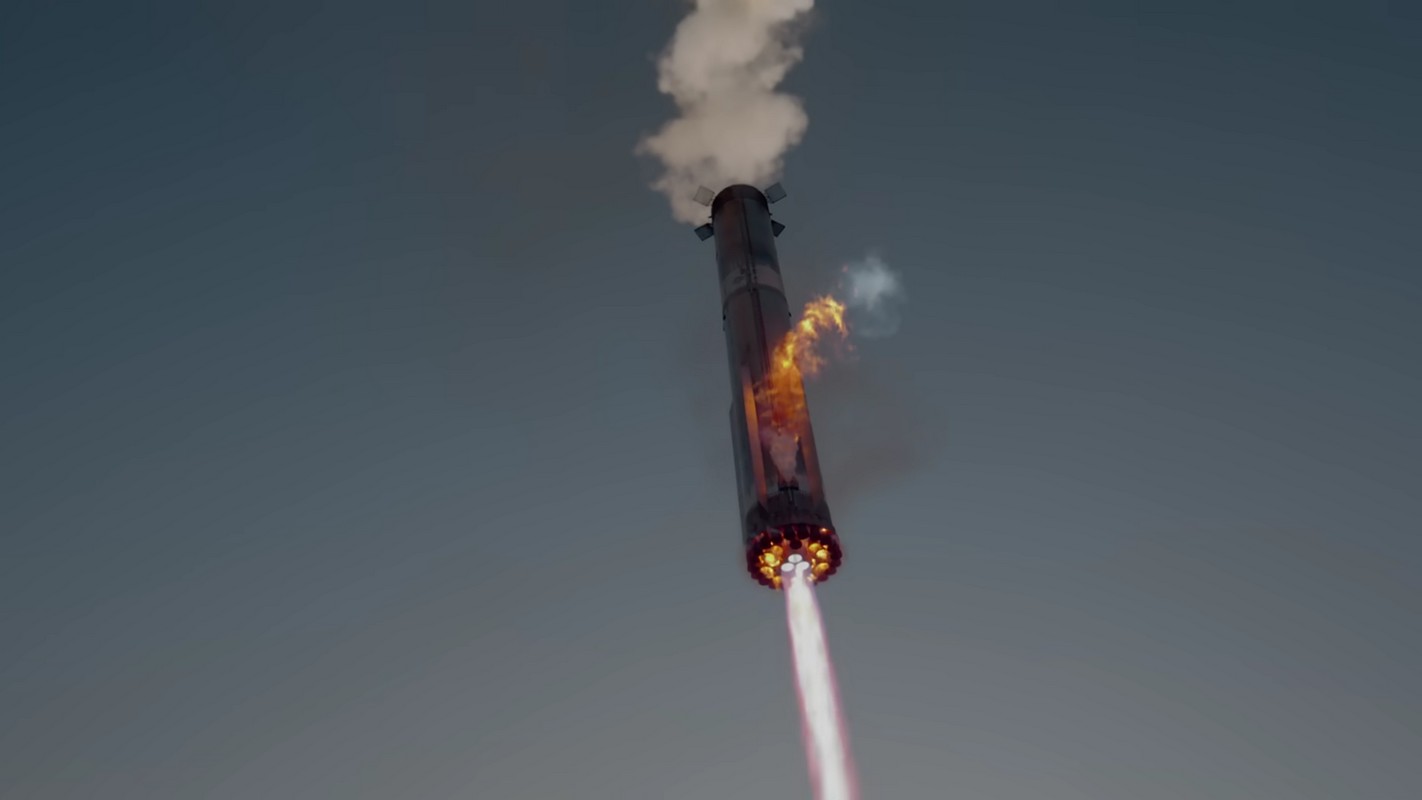
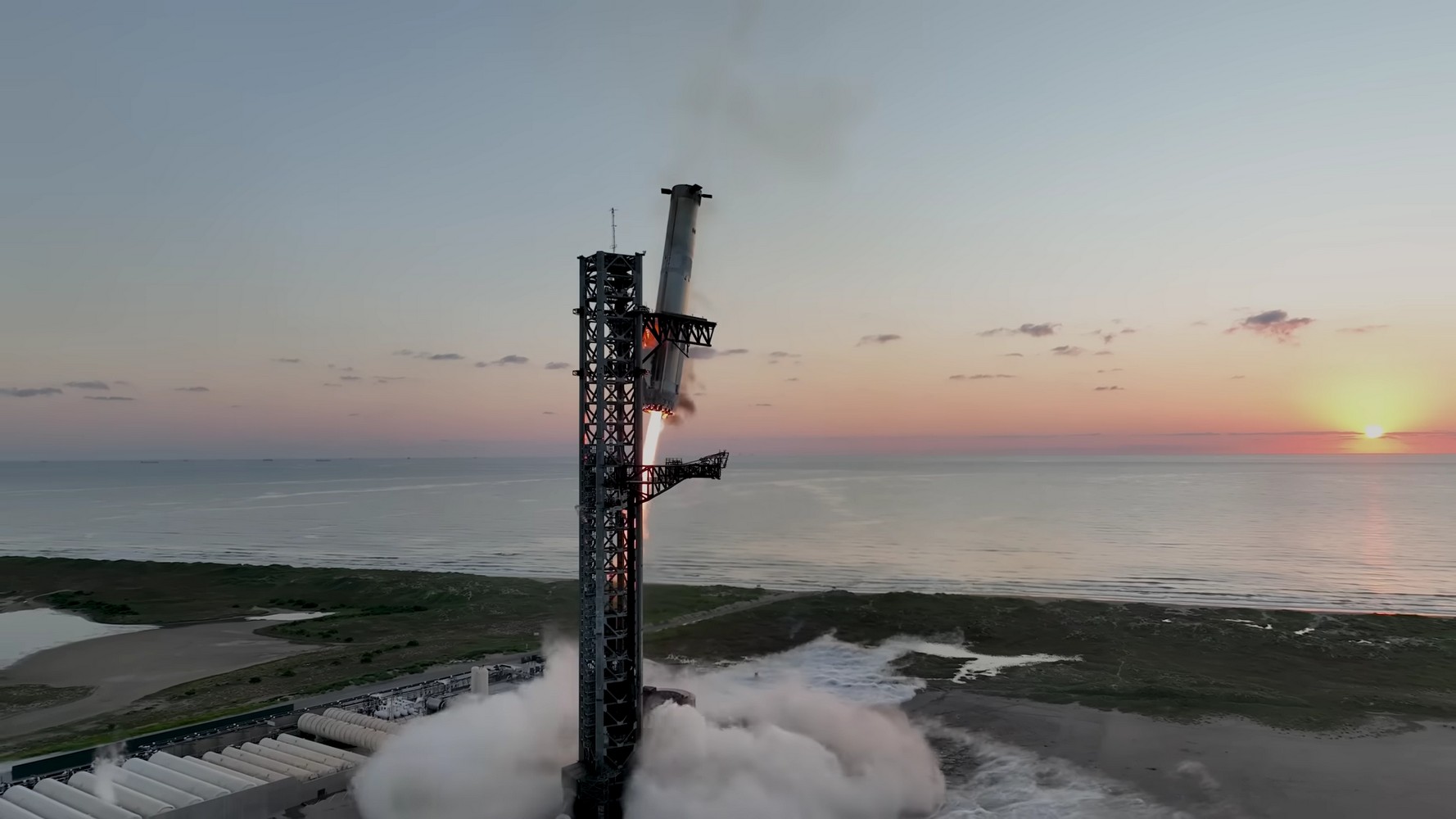
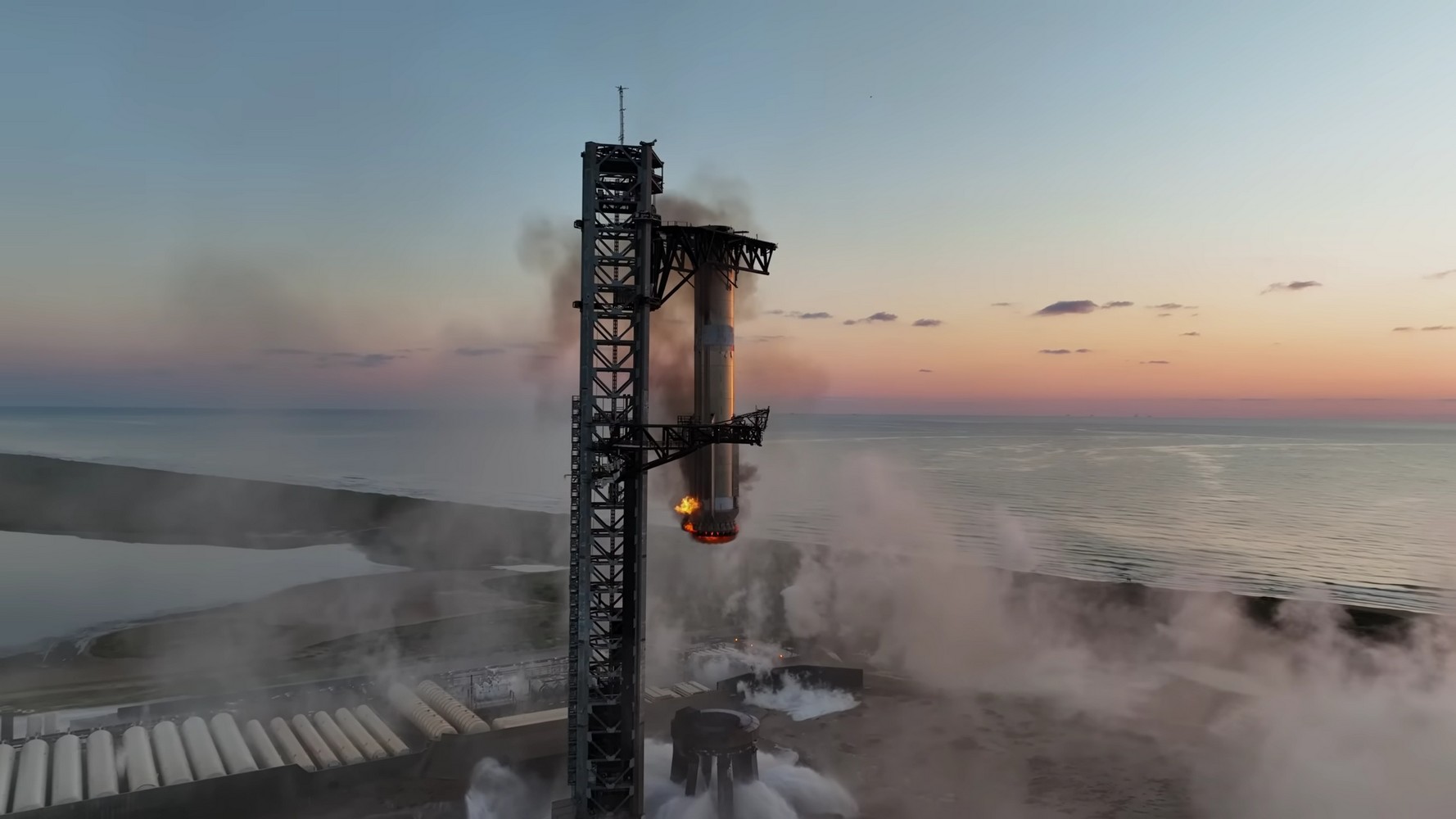
Following a successful liftoff, ascent, stage separation, boostback burn, and coast, the Super Heavy booster performed its landing burn and was caught by the chopstick arms of the launch and catch tower at Starbase. Thousands of distinct vehicle and pad criteria had to be met prior to the catch attempt, and SpaceX succeeded on the very first try. This was a historic milestone — the enormous "Mechazilla" tower arms catching a more-than-20-story-tall rocket booster had never been done before.
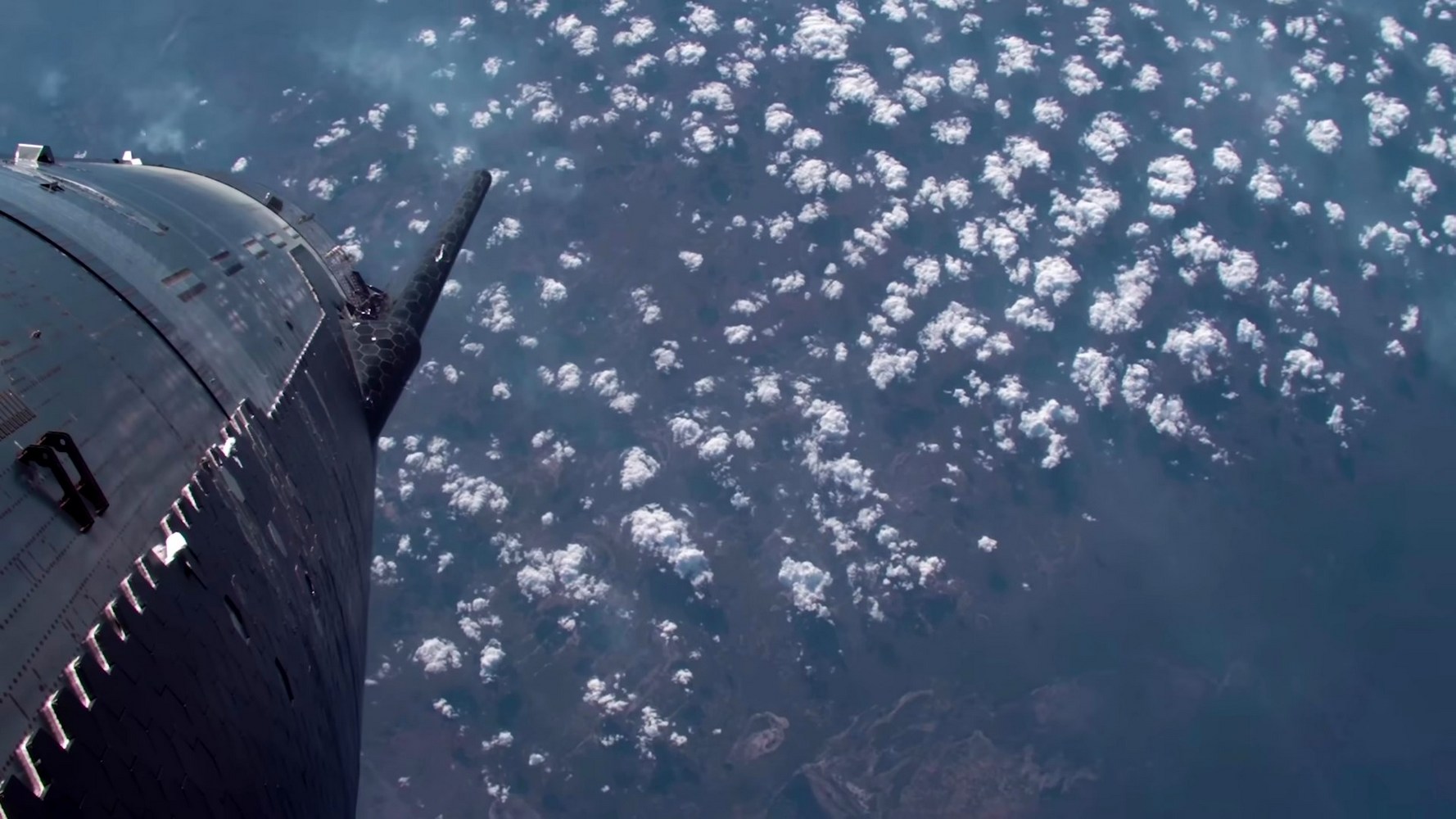
Meanwhile, the Starship upper stage continued on into space, traveling halfway around the world before splashing down in the Indian Ocean with high accuracy near a pre-positioned buoy that captured video of the splashdown. The total mission duration was 1 hour, 5 minutes, and 40 seconds.
Mission Timeline
General information: Wikipedia • SpaceX
Event news: Space.com • ArsTechnica Reuters • CNN • Forbes
Videos: SpaceX • Everyday Astronaut • Marcus House • WAI • Scott Manley • LabPadre
NASA Perseverance Rover: Mars landing
February 18, 2021
Perseverance is a Mars rover mission by NASA's Mars Exploration Program. It will investigate an astrobiologically relevant ancient environment on Mars, its surface geological processes and history, including the assessment of its past habitability, the possibility of past life on Mars, and the potential for preservation of biosignatures within accessible geological materials.
Launched on a ULA Atlas V rocket (a joint venture between Lockheed Martin and Boeing), the "Persy" rover landed on Mars in February 2021 (almost seven months after launch) on Jezero Crater where it will look for habitable environments and evidence of past microbial life.
The rover is equipped with two HD cameras and also a set of two microphones to record the sounds of the landing and the Red Planet wind.
The rover also carry a small detachable helicopter (called Ingenuity) that will make the first powered flights on another planet, taking aerial images of Mars cliffs, caves and craters. For now the plan is to make five flights with a maximum duration of 90 seconds. The maximum distance to travel in each flight will be 300 meters and the helicopter should not go higher than 10 meters.
Mission Timeline
Mission information: Official Site • Wikipedia • Space.com • SpaceFlightNow • Nature • SpaceNews
Videos: Seeker(1) • Seeker(2) • StarTalk
Event news: Space.com • SpaceNews • Interesting Engineering • CNN


Chang'e 5: Moon sample return mission
December 16, 2020 ⬌ November 24, 2020

Chang'e 5 mission was China's first ever sample return mission, returning lunar soil and rock samples back to the Earth. It has four different parts: an orbiter, a lander, an ascender and an Earth re-entry module. It landed on Mons Rümker, a mountain nearby a large area called Oceanus Procellarum.
Chang'e 5 was the first mission to bring back moon samples since the last Apollo mission of 1972 and the Soviet Union's Luna 24 in 1976.
Mission Timeline
- November 24, 2020✔
Launch - December 1, 2020✔
Moon Landing - December 3, 2020✔
Lifting off from the Moon - December 5, 2020✔
Lunar orbit docking - December 16, 2020✔
Moon samples return to Earth
General information: Wikipedia • Nature • Planetary Society
Event news: Spacenews • SpaceNews • CosmicLog
Videos: Seeker • DW News • New China TV


SpaceX: Starship SN8 High Altitude Flight Test
December 9, 2020
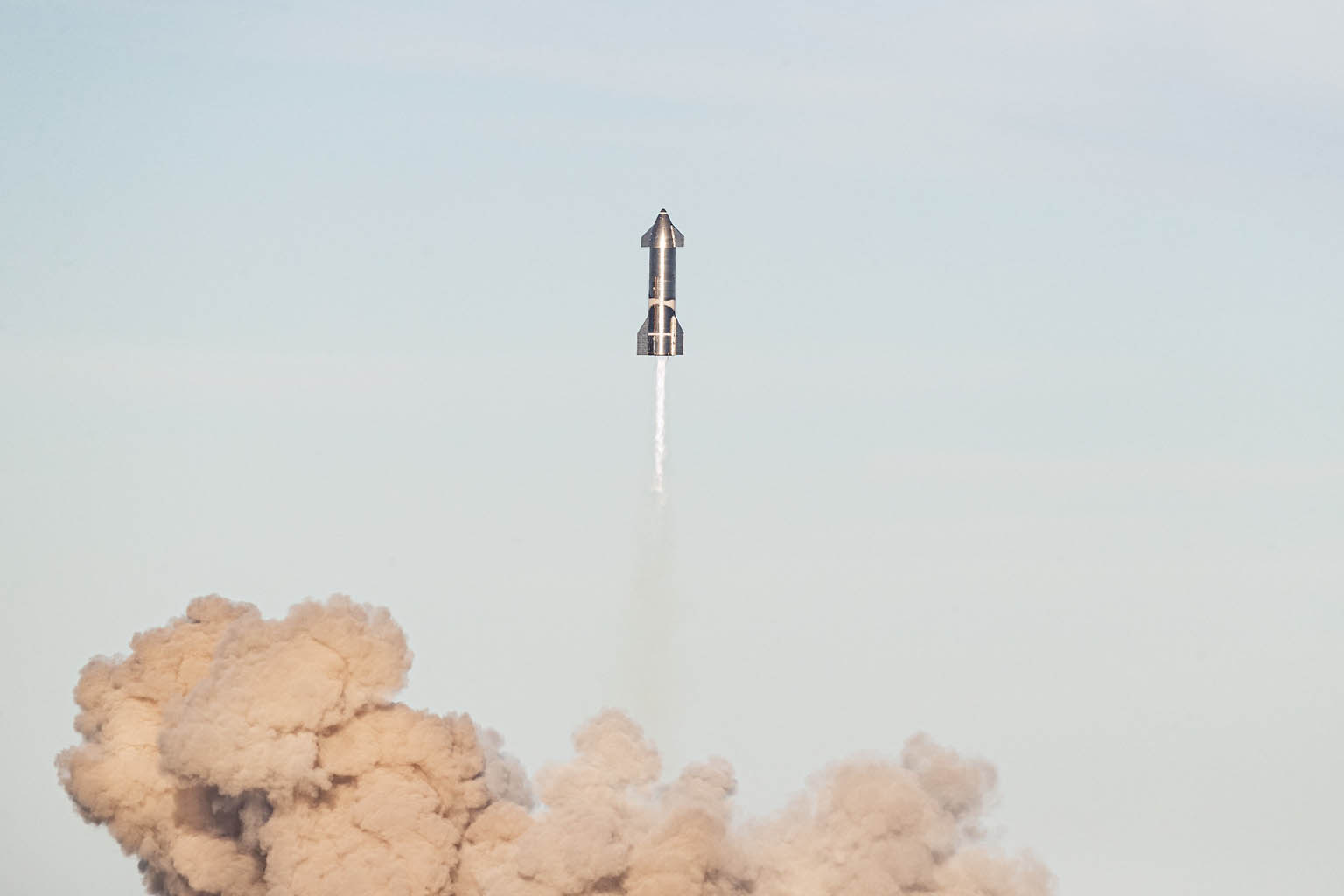
SpaceX's Starship SN8 was the first prototype to perform a high altitude flight test.
This suborbital flight was designed to test a number of objectives, from how the vehicle's three Raptor engines perform, and the overall aerodynamic entry capabilities of the vehicle, including its body flaps, to how the vehicle manages propellant transition.
SN8 also performed an amazing landing flip maneuver, but exploded during the landing.
General information: Wikipedia • SpaceX
Event news: Space.com • Teslarati • SpaceNews • ArsTechnica • CNN • Forbes
Videos: SpaceX • Everyday Astronaut • LabPadre • Scott Manley • WAI • Marcus House
SN8 High Altitude Flight Test Replay (December 9, 2020)



Hayabusa 2: Asteroid Ryugu sample extraction
December 05, 2020 ⬌ December 03, 2014

Asteroid sample-return mission operated by the Japanese space agency JAXA, carrying multiple payloads for science: remote sensing, sampling, and four small rovers/landers that investigated the asteroid surface.
It surveyed the asteroid for a year and a half, collected samples multiple times and departed from the asteroid in November 2019. Six years after being launched it finally landed in Australia in December 2020 with the samples collected from asteroid Ryugu.
Mission Timeline
- December 03, 2014✔
Launch - June 27, 2018✔
Arrival at asteroid Ryugu - September 21, 2018✔
Rover-1A and Rover-1B deployment - October 03, 2018✔
MASCOT landing on the surface - February 22, 2019✔
Collect rock sample touchdown operation - April 4, 2019✔
Crater generation (explosive impactor) - July 11, 2019✔
Third touchdown operation - October 8, 2019✔
Minerva-II2 Rover touchdown operation (crashed) - November 13, 2019✔
Departure from asteroid Ryugu - December 5, 2020✔
Sample capsule arrives to Earth
Mission information: Official Site • Wikipedia • Space.com(1) • Space.com(2)
Event news: Space.com(1) • Universe Today • Space.com(2) • BBC News
Videos: German Aerospace Center • JAXA • Seeker • SciNews









OSIRIS-REx: Asteroid Bennu sample extraction "Touch and Go"
October 20, 2020
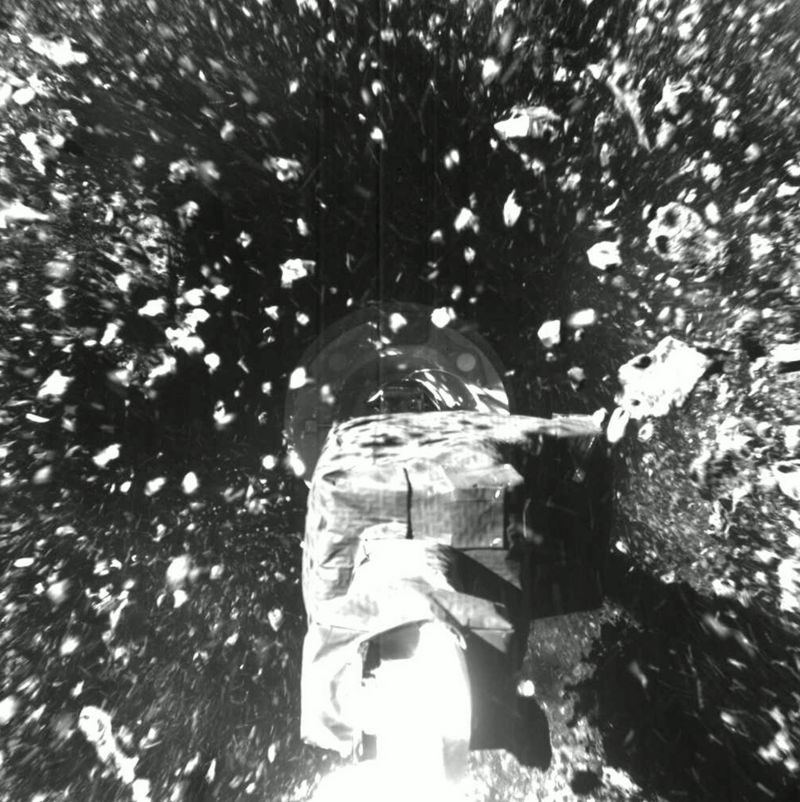
Asteroid study and sample-return mission to study asteroid 101955 Bennu, a carbonaceous 500 meter diameter asteroid. The objective of the mission is to grab a sample from the asteroid and bring it to Earth.
In this full automated procedure that took only a few seconds, the probe used its robot arm to fire a nitrogen canister to shake the surface of the asteroid and successfully collected a sample. A few seconds later OSIRIS-REx performed a back-away burn from the asteroid Bennu.
The spacecraft will be back to Earth in 2023 with all the samples collected.
Mission Timeline
- September 08, 2016✔
Launch - December 03, 2018✔
Arrival at asteroid 101955 Bennu (Alt. 5 Km) - October 20, 2020✔
Sample extraction "Touch and Go" - March, 2021
Departure to Earth - September 24, 2023
Sample capsule lands on Earth
Mission information: Official Site • Wikipedia •
Event news: BBC News • Space.com • Engadget • Nasa






Chang'e 4: Moon Landing
January 3, 2019
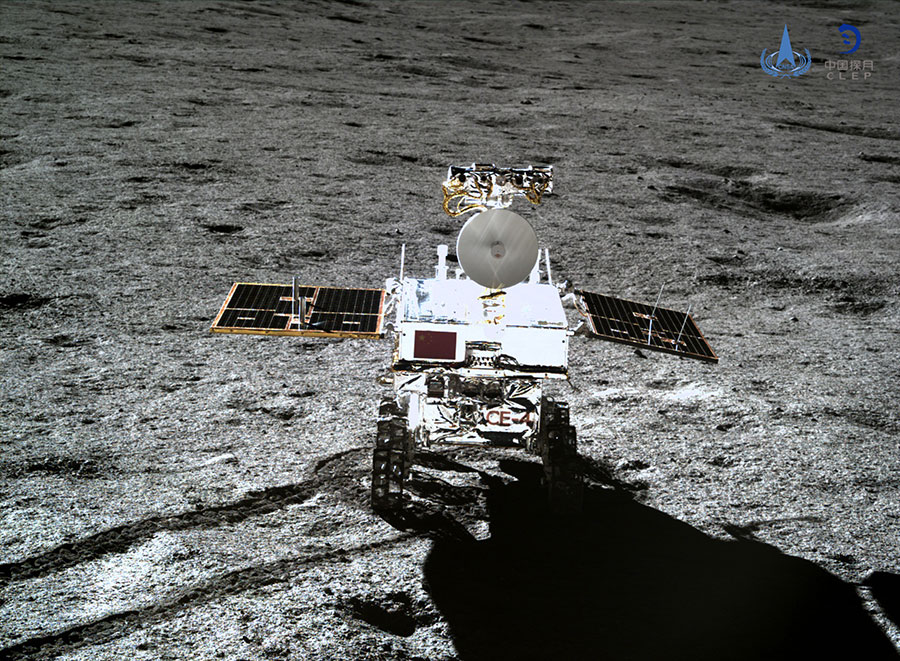
China's Chang'e 4 probe, consisting of a lander and rover, landed successfully on the far side of the moon, marking the first ever soft-landing on the moon's largely unexplored far side.
The objective of the Chang'e 4 mission is to determine the age and composition of an unexplored region of the Moon, as well as develop technologies required for the later stages of the Chinese Lunar Exploration Program.
Mission Timeline
Mission information: Wikipedia • SpaceNews
Event news: BBC News • Space.com • Engadget




New Horizons: Arrokoth Flyby
January 1, 2019
The first spacecraft ever to explore the dwarf planet Pluto in 2015, started the year of 2019 with a flyby of Arrokoth (aka Ultima Thule), a distant Kuiper belt object roughly 35km tall and 14km wide. This marks the farthest-ever flyby in human history.
Mission Timeline
- January 19, 2006✔
Launch - July 14, 2015✔
Flyby of Pluto (Alt. 12,500Km | Vel. 13.78Km/s) - January 01, 2019✔
Arrokoth Flyby (Alt. 3,500Km | Vel. 14.30Km/s)
Mission information: Official Site • Wikipedia
Arrokoth flyby news: Space.com • BBC News • Spacenews


Mars InSight
November 26, 2018
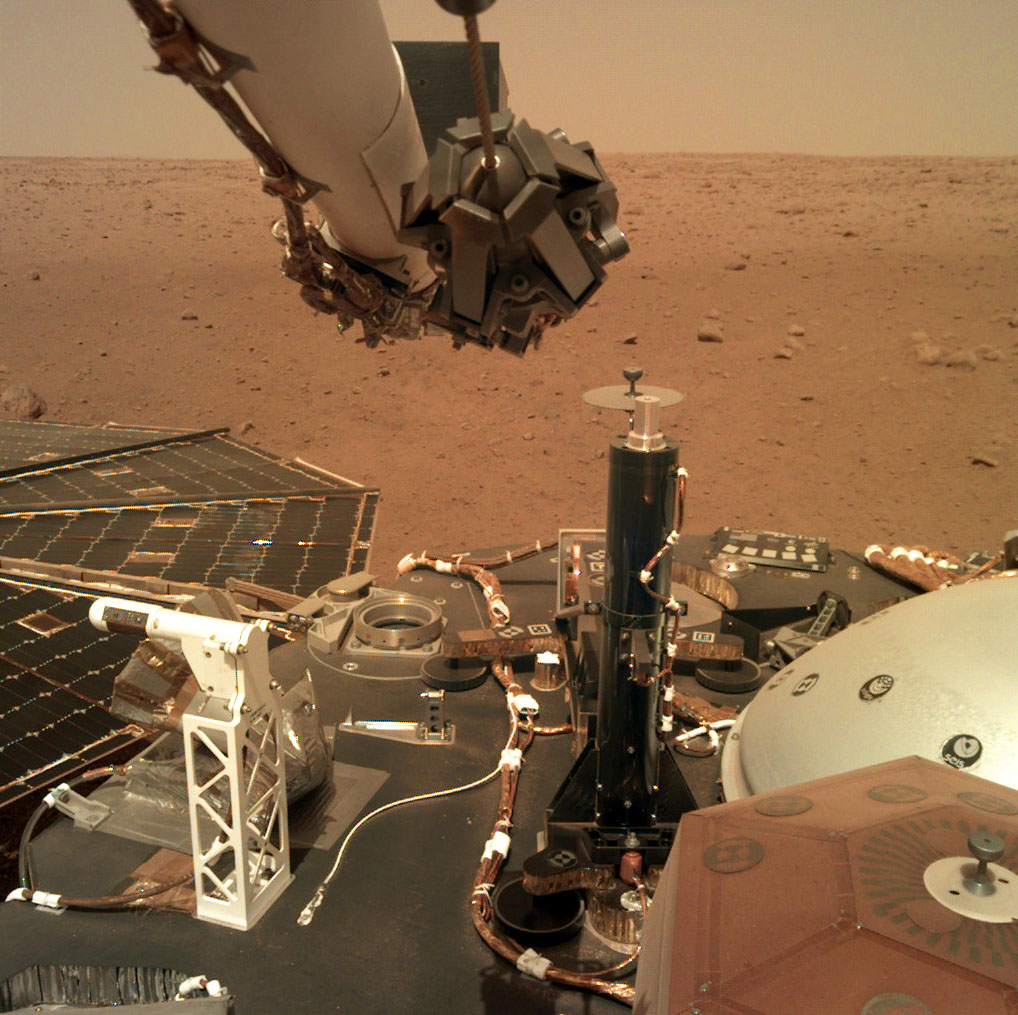
InSight was a robotic stationary lander designed to study the interior of the planet Mars.
Launched on May 5, 2018 it landed successfully on the surface of Mars on November 26, 2018.
It deployed a seismometer and also a heat probe. InSight was active on Mars for 1440 sols (1480 days; 4 years, 19 days).
Mission information: Official Site • Wikipedia
Event news: Space.com • BBC News • Spacenews